
Easy Ideas for Math and Reading At Home
- What: Household learning opportunities
- When: School’s out
- Why: Keep kids learning and interested
- Where: At home
We’ve been repurposing household materials into learning activities. Just about anything can work for math practice, as numbers pop up everywhere. We’ve drawn a calendar from a regular sheet of paper, which required my kids to take 11 and make it into 7 equally sized rows, and 8.5 into five equal sized rows. Then they added the days of the week, the dates, and now we have a place to record both the time of sunrise and sunset. With that data, we can practice subtracting time of day, and after a week or even a month, we can graph the data to show the change as it progresses.
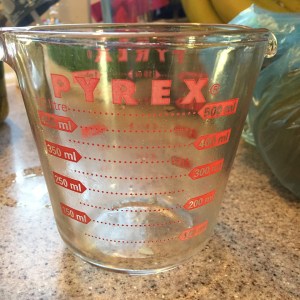
Cooking also works great for math practice, like fractions and counting, as well as addition and division (how much should we put in each muffin to make them all come out even?). Recipes require lots of fractional work and hands on activity, which works great for kids of all ages, plus you get a snack or part of a meal at the end of it all.

Maps work great for math and reading skills. You can print out a map of your neighborhood, or grab maps from places you’ve traveled. Ask kids to find the path between two points, locate addresses on the map, or for more advanced skills, calculate the distance traveled by car and alternate transportation and compare.

Puzzles of any type also work great for reinforcing school skills, like shape and color recognition. Once they get older, bigger puzzles provide more challenge, with more irregular shapes, sorting for edge pieces, and looking for pieces with a certain number of points or holes. All these comparisons strengthen spatial recognition skills as well as working memory, which can help kids regardless of subject matter.
Check out this post if you need workbooks you can order online or more ideas for online resources.


 Practically Apparent
Leave a comment